
Evidence-led equipment comparison
Which Is Better: Light or Heavy Armor in Iron Soul Dungeon?
There is no verified permanent winner between light and heavy armor in Iron Soul Dungeon. Start with the problem you can see in the current game: movement, spacing, survivability, or a resource bottleneck. Read the item text, record the visible values, and compare the two types in the same activity before spending rare materials. This guide answers the comparison question while keeping armor recipes, named-item rankings, and attribute formulas on their existing pages.
Light vs heavy armor in Iron Soul Dungeon: the safe answer first
If you need one decision now, choose the armor type whose visible description addresses the failure you can repeat. Light armor is the more sensible first test when your run fails because you lose distance, miss a timing window, or cannot reposition. Heavy armor is the more sensible first test when the current item text or your own run log points to damage taken, stagger, or close-range stability. Those are testable starting points, not universal rules.
The search phrase asks which option is better, but the public sources checked for this page do not expose a complete current table of light and heavy armor stats. A community label, an old video, or a copied tier list can describe another update. Treat the current Roblox inventory and character panels as the primary evidence. When a value is not visible or repeatable, mark it unverified instead of filling the gap with a number.
This page owns the narrow light-versus-heavy decision. The Tier List remains the place for broad progression priorities and named weapon or armor comparisons; the Forge Guide owns recipes and materials; the Player Stats Guide owns attributes and sub-stats; and Sell Items explains inventory actions. Keeping those boundaries makes each answer easier to update.
| Situation | First test | Evidence to record | Avoid |
|---|---|---|---|
| New player | Use the easier-to-control type in a repeatable room | Item wording, movement feel, first failure point | Spending rare ore before reading the item |
| Losing distance | Test light armor with the same weapon and route | Repositioning, missed hits, time to reach the target | Calling it faster without a visible cue |
| Taking repeated hits | Test heavy armor in the same encounter | Damage text, stagger, survival window | Assuming a hidden defense multiplier |
| After a patch | Reopen both item panels before choosing | New labels, requirements, result and date | Copying an old light/heavy verdict |
- A type is useful when it solves the failure you can reproduce.
- Visible wording is stronger evidence than a name, color, or old ranking.
- Keep one baseline run so a later comparison has a reference.
What light and heavy armor can change in a real run
Begin with the labels the game actually shows. They may mention weight, movement, defense, a requirement, or an effect that is only active while equipped. Do not translate a broad word such as “heavy” into a guaranteed damage reduction unless the panel says so or the same result appears in repeated tests. The useful comparison is the behavior you can observe under the same route, weapon, pet, rune, scroll, difficulty, and duration.
For a light-armor test, watch whether you can leave an attack zone, keep a safe distance, or recover from a missed input. For a heavy-armor test, watch whether the same hit produces a different visible result or whether you can stay close long enough to finish a skill. If neither type produces a stable difference, the correct conclusion may be that the current evidence is insufficient, not that one type is secretly best.
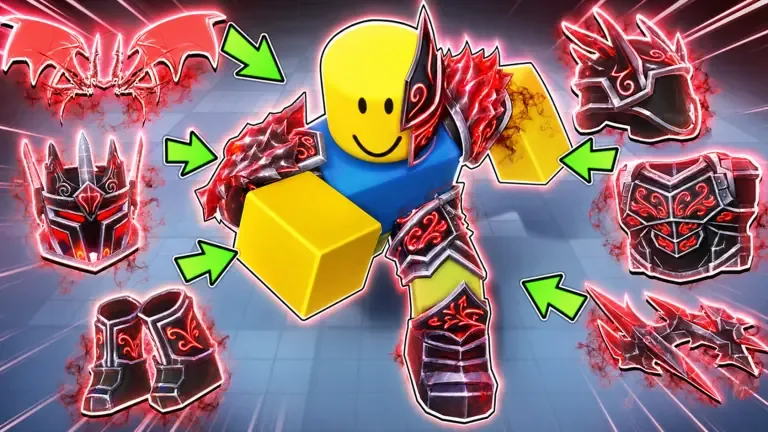
The thumbnail below is official promotional media, not a screenshot of the current equipment panel. Use it to orient the reader to the equipment decision, then use the live item description for the actual claim.
| Check | Record before changing armor | Why it matters |
|---|---|---|
| Item text | Exact effect, requirement and date | Separates a visible rule from a guess |
| Character panel | Health, defense or movement labels that appear | Prevents mixing gear with base attributes |
| Run conditions | Weapon, pet, rune, scroll, enemy and difficulty | Keeps the comparison interpretable |
| Result | First failure point and a repeatable outcome | Turns a feeling into a useful note |
- Do not use promotional artwork as proof of an equipment stat.
- Keep equipment effects separate from character attributes and rune effects.
- If the panel changes after an update, preserve the old note with its date.

Light vs heavy armor comparison table for common goals
The table is a decision aid, not a tier ranking. It tells you what to test first when a run has a visible problem. A light or heavy recommendation becomes stronger only after the current panel and a repeatable encounter point in the same direction. If the game does not expose the relevant stat, leave the cell as an observation instead of inventing a formula.
The most useful comparison is often about opportunity cost. A player with limited materials may gain more from keeping the current armor, testing a common replacement, or improving a weapon route than from chasing a rare name. Pair the result with the Forge Guide when the choice depends on a recipe, and with the Stats Guide when it depends on an attribute or sub-stat.
| Goal | Start with | What would support the choice | Page boundary |
|---|---|---|---|
| Reposition safely | Light armor | The panel or repeated runs show easier movement or recovery | Armor type comparison |
| Survive contact | Heavy armor | The same hit or stagger window improves in the current run | Armor type comparison |
| Craft an item | Neither by default | A verified blueprint, material and visible result | Forge Guide |
| Rank named gear | Neither by default | Comparable current evidence for multiple items | Tier List |
| Change points or sub-stats | Neither by default | A visible attribute or equipment value and a controlled test | Player Stats Guide |
- Use the narrowest page that answers the next decision.
- A missing stat is an evidence gap, not permission to guess.
- Record why the other type was not chosen so the next update is faster to review.
How to test light vs heavy armor without guessing
A fair test changes armor type while the rest of the run stays as stable as possible. Choose one room, enemy or boss, weapon, pet, rune, scroll, difficulty and goal. Play a short baseline with the current armor, then repeat the same route with the comparison piece. Write down the first failure point, the visible result and the date. One lucky clear is a clue; a repeated pattern is stronger evidence.
Use a small sample that you can repeat instead of a long session that mixes every variable. If the comparison is movement, track whether you reach the same safe position and how often you are hit. If it is survivability, track the same incoming attack or survival window. If the game shows no stable difference, stop the test and label the outcome unknown. That protects scarce material and keeps the page honest.
The second official thumbnail gives combat context for this test, but it is not a live heavy-armor screenshot. The four-step flow below is the usable visual: it tells you what to hold constant, what to change, and what to write down.
| Step | Keep constant | Change | Write down |
|---|---|---|---|
| 1. Baseline | Route, target, build and difficulty | Nothing | Current armor and first failure |
| 2. Read | Same item panel and run goal | Armor type only | Visible wording and requirements |
| 3. Repeat | Same start point and timing | Comparison armor | Outcome across more than one attempt |
| 4. Decide | Evidence and date | Keep, switch or wait | Reason and next check |
- Change one important variable at a time.
- Use the same target and route before comparing a result.
- Do not turn a single critical hit or lucky run into a permanent ranking.

A repeatable armor test
- 1. Baseline Play the same route with the current armor and record the first failure.
- 2. Read Copy the visible item text and requirements before equipping the comparison piece.
- 3. Repeat Keep the weapon, target, route and difficulty steady while testing the other type.
- 4. Record Save the result, date and uncertainty so a later patch can be checked cleanly.
Three practical light-or-heavy armor decisions
For a new account, the best first armor is usually the piece that can be replaced or tested cheaply while you learn the dungeon. If the game gives no clear movement or defense wording, keep the current piece, learn the route, and save rare materials. This is more useful than copying an answer that assumes every account has the same weapon, pet and enemy conditions.
For a player stuck at close range, heavy armor is a reasonable test when the current panel or run log points to repeated contact damage. Test the same attack and keep the weapon and support effects unchanged. If the failure is actually a missed dodge or a bad route, the armor swap may hide the problem without solving it.
For a player who cannot maintain spacing, light armor is a reasonable test when the current game exposes movement or recovery information. Measure a repeatable distance or hit pattern. If no visible effect changes, return to the weapon, timing or route decision and leave the armor verdict unranked.
| Player problem | Useful first question | Safe next action |
|---|---|---|
| Early deaths | Is the same incoming hit the failure? | Test heavy armor once under identical conditions |
| Cannot disengage | Does the panel mention movement or recovery? | Test light armor on the same route |
| Rare material is low | Can a common piece answer the question? | Delay the rare craft and keep a baseline |
- Choose a test that answers the visible problem, not the loudest community claim.
- A cautious unknown result is better than a fake exact stat.
- Link recipe questions to Forge and named rankings to Tier List.
What to recheck after an Iron Soul Dungeon update
Armor decisions are update-sensitive because labels, requirements, materials, balance and enemy behavior can change together. After a season, map, weekend or balance update, reopen both item panels and the character screen. Compare the wording, visible values, equipment result and the same short test route. Add the check date next to the observation instead of replacing an old note without context.
The official Roblox experience page confirms the game context but does not publish a complete light-versus-heavy stat database. Community wiki pages can help locate a name or menu, yet they should remain labeled as community leads until the current game reproduces the claim. The source ledger records this boundary so future updates can correct one claim without rewriting every guide.
When a new named item appears, do not move it into a permanent tier automatically. First decide whether the question is about a recipe, a broad priority, a character attribute, an inventory action, or this narrow armor-type choice. Then send the reader to the page that owns that intent and keep the comparison evidence in one place.
| After an update, check | Reason | Safe wording |
|---|---|---|
| Item labels and requirements | The menu may rename or move a rule | Observed in the current panel on the check date |
| Material and blueprint | Crafting access can change | See the Forge Guide for the verified path |
| Enemy hit or movement result | Balance changes can alter the test | Repeat the same short route |
| Image and link captions | Old context can imply an old UI | Label promotional media as context |
- Update the claim, date and evidence together.
- Keep old observations as dated context when they explain a change.
- Do not call a type best when the current game does not expose comparable evidence.
Light vs heavy armor FAQ
Which is better, light or heavy armor in Iron Soul Dungeon?
Neither has a verified permanent advantage in the sources checked for this guide. Start with light armor when movement and spacing are the visible problem, or heavy armor when repeated contact damage is the visible problem, then test one type under the same conditions.
Does light armor always make you move faster?
Do not assume that from the name alone. Use the current item description or a repeatable same-route test. If the game does not show or reproduce a movement difference, record the result as unknown.
Is heavy armor always better for bosses?
No universal boss rule was verified. A boss can punish contact, missed timing, or poor spacing differently. Compare the same encounter with the same weapon, pet, rune and scroll before keeping a heavy piece for that reason.
How can I compare armor without wasting rare materials?
Keep a baseline, read both item panels, test a replaceable piece first, change only the armor type, and record the first failure and date. Delay rare crafting until the cheaper test answers a specific question.
Does this guide list every armor recipe or item value?
No. Recipes and material access belong to the Forge Guide, named rankings belong to the Tier List, and visible attributes belong to the Player Stats Guide. This page only handles the light-versus-heavy choice.
Summary
The safest answer to the light-versus-heavy armor question is a dated, repeatable test rather than a permanent winner. Read the current item text, keep the rest of the run stable, measure the visible failure you want to solve, and send recipe, ranking, attribute and inventory questions to their existing guides. If the game does not provide comparable evidence, keep the armor type unranked until the next update check.